

What a Home Inspector Can and Cannot Tell You: From Someone Who Has Been on Both Sides
I have been on every side of a property inspection that exists.
I have walked thousands of properties as a GC giving pricing after an investor had their inspection done. I have had city and lending inspectors review my projects. I have had my flips reviewed by the buyer's representative inspectors after they were finished and listed.
The bottom line after all of that is that inspectors are all human and that is about the only similarity between them.
A lot are fantastic. They will go above and beyond — crawl spaces, attic access, the works — and look at a home as if their own kid were buying it. Those inspectors are worth every dollar and then some.
Some took a class. Knew nothing before it and learned nothing since.
I know this because I sat in that class. There were twenty plus people in the room and not one of them knew anything about construction or houses going in. We had to stop at one point to explain the difference between soffit and fascia boards so people knew where to set their ladder.
It was a little gross. But I digress.
What an Inspector Is Actually Allowed to Tell You
Here is the part that most buyers do not know and that costs them money when they find out after closing.
In Texas a home inspector is only allowed to report on specific items that appear on their approved checklist. Life safety issues. The outer envelope. Code compliance items. That list.
They cannot tell you about things that are not on that list. Even if it is something you really should know. Even if it is something that is going to cost you significant money in the near future. If it is not on the list they cannot put it in the report.
Here is a real example of why that matters.
Building codes change periodically. If your house was built before 2008 it is not compliant with current code in various ways. That does not mean you have to fix everything because older properties are grandfathered under the code that was in effect when they were built. But grandfathered does not mean the issues do not exist or that some of them should not be addressed anyway.
Old wiring. Old plumbing. Systems that were legal when they were installed and that are past their useful life now. An inspector cannot tell you those things need to be fixed or replaced. Cannot make suggestions. Cannot give you a price estimate. Cannot tell you whether something that is technically within their checklist parameters is actually something you should address before it becomes a bigger problem.
And frankly you would not want them to. That is not what they are trained to do and their opinion on pricing and repair recommendations is not what you are paying them for.
The Liability Part Nobody Reads
Most inspector contracts limit their liability significantly.
The standard language in most Texas inspection contracts states that the inspector is not liable for the condition of anything after they leave the property and that their report reflects conditions observed at the time of the inspection only.
Translation. If you buy a house and the AC goes out on day one do not look to the inspector to make it right. The condition may have changed between the inspection and closing. That is the out and it is in the contract you signed.
There is an exception worth knowing. If an inspector misses a major structural defect or significant flaw that could not possibly have changed between the inspection date and closing you have a legitimate claim against their errors and omissions insurance. That coverage exists and it matters when the defect is significant enough to pursue it. But the bar for what qualifies is higher than most buyers assume.
Here Is Why I Am Glad I Got My Inspection License Anyway
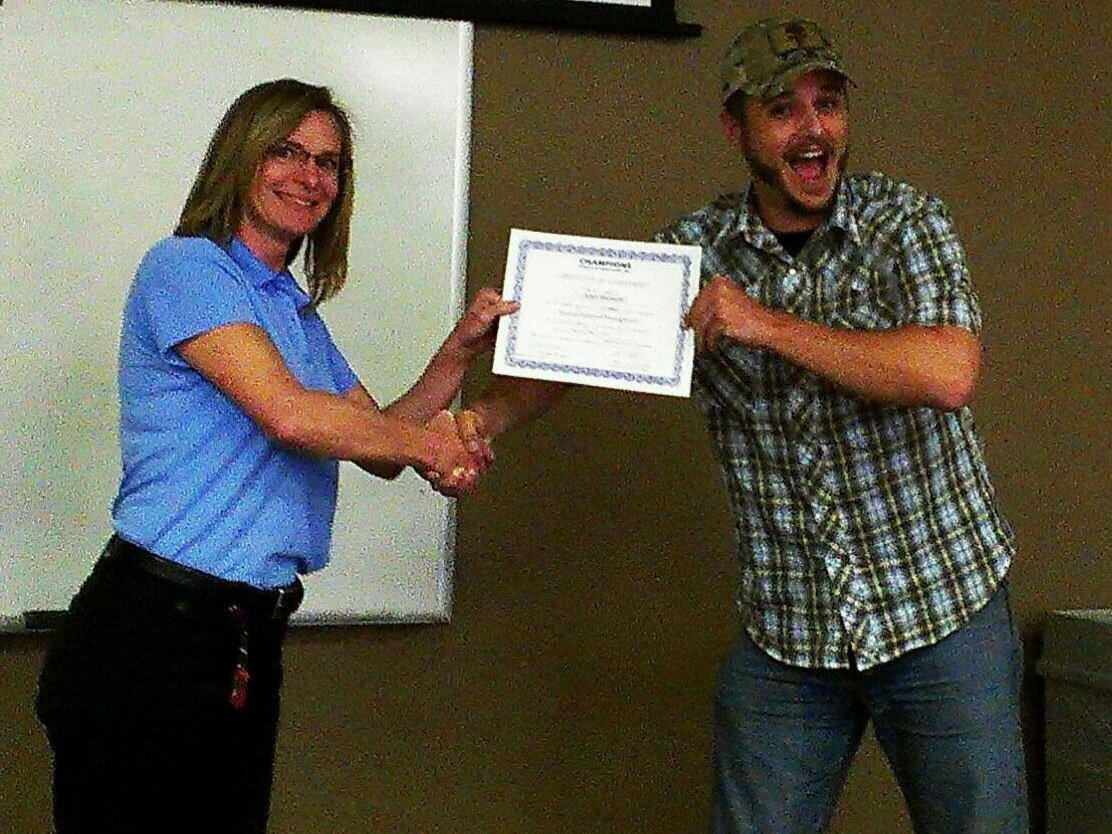
After fifteen years in construction I took the inspector certification class and the field labs. Spent the money. Spent the time. Sat in that room with twenty people who did not know soffit from fascia.
Here is what I got out of it.
Confidence.
Not new information. I already knew the information. What I got was a piece of paper that said I know my stuff. Validation of what I already knew about myself, for myself. My circle of knowledge expanded a small amount. My confidence expanded one hundred fold.
I was the authority. I could be called an expert and have it actually mean something documented and defensible.
Sometimes you spend twenty five hundred dollars and dozens of hours to qualify for something you never intend to do professionally because the lessons and the direction you gain from doing it are worth the investment. It is an investment in yourself and that is the highest ROI you can ever generate.
Unless you are paying a guru for a weekend seminar. Those are a different thing entirely.
What This Means for Your Next Inspection
Get the professional inspection. Always. It creates a legal document, establishes a baseline of known conditions, and gives you recourse if something significant was missed.
But do not treat the inspection report as a complete picture of the property's condition. It is not. It is a checklist of specific items reviewed by one human being on one specific day under the rules that govern what they are allowed to report.
Walk the property yourself with the right tools before and after the inspection. Bring someone who knows construction if you do not. Ask the questions the inspector cannot answer about age of systems, likely remaining useful life, and what the items on the report will actually cost to address.
The inspection report is the floor of your due diligence. Not the ceiling.
Want someone who has been on every side of this process to walk a property with you before you commit?
Schedule a call at calendly.com/jeph-reit or reach me at Jeph@REIGuideService.com.
Look how cute that little baby face is…dawwww..